Local Auto Coverage
Auto Insurance Services in St. Pete, FL
Start with a quick local review.
What You Need First
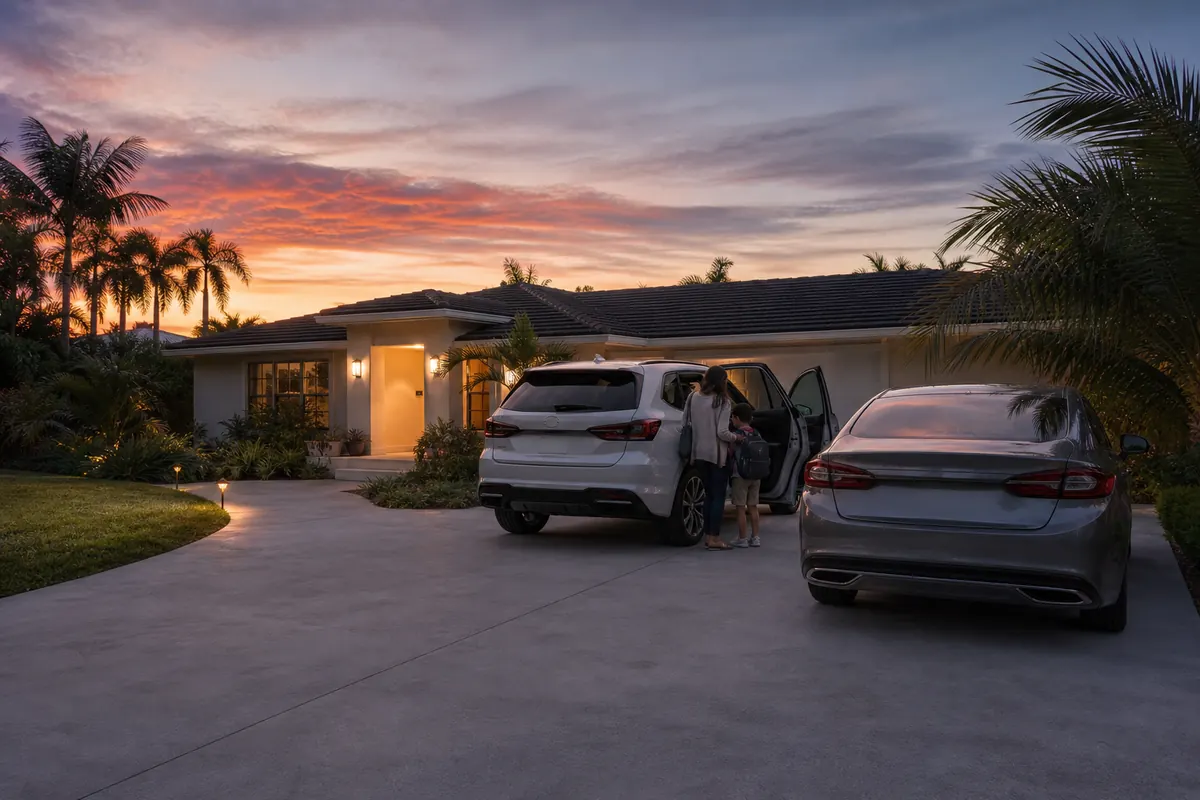
A quick drive in St. Pete can mean brick streets in an older neighborhood, a run up 4th St N, or slow traffic near Beach Drive and the St. Pete Pier. If you need auto insurance here, the first thing to know is simple. Florida has its own rules, and the way you use your car matters as much as the car itself. We help you sort both. That includes daily commuting on I-275, family driving around Central Ave and 22nd Ave N, bridge trips, downtown event traffic, and cars parked on flood-prone waterfront streets.
For a standard private passenger vehicle in Florida, the state generally requires personal injury protection and property damage liability to register the car. Florida also uses a no-fault system. Beyond that starting point, many drivers in St. Pete want to know whether their car is financed, whether a teen uses it, whether part-year living changes anything, or whether rideshare or delivery work affects the policy. Those are the details that shape a useful review. We focus on how your household actually drives, parks and shares vehicles.
Auto Insurance Across Pinellas County and Nearby
- St. Pete, FL
- Downtown St. Pete, FL
- Snell Isle, FL
- Old Northeast, FL
- Shore Acres, FL
- Historic Kenwood, FL
- Crescent Lake, FL
- Coquina Key, FL
- Lakewood Estates, FL
- Pinellas Point, FL
- Disston Heights, FL
- Jungle Terrace, FL
- Gulfport, FL
- St. Pete Beach, FL
- Treasure Island, FL
- Pass-a-Grille, FL
- Tierra Verde, FL
- South Pasadena, FL
- Pinellas Park, FL
- Kenneth City, FL
- Madeira Beach, FL
How We Review It
Auto insurance is easier to sort when you start with use, not jargon. We look at where the car goes, who drives it, where it stays overnight and whether a lender or lease adds requirements. Then we narrow the coverage choices that may fit that situation.
Florida starting point
For most St. Pete drivers, the first check is whether the policy lines up with Florida registration rules for a standard private passenger vehicle. That usually means making sure personal injury protection and property damage liability are in place at the required level to register the vehicle. Bodily injury liability is not required for many drivers, but it may become required after certain crashes or violations, including filings such as FR-44 or SR-22.
Commuting and local routes
A car used for I-275, Gandy Blvd or 34th St every weekday usually deserves a different review than a car that stays close to home. Stop and go traffic, bridge driving and crowded downtown streets can affect how people think about risk. If your usual week includes heavy event traffic near Tropicana Field or parking around Beach Drive, we factor that in when discussing limits, deductibles and damage coverage.
Parked cars and weather exposure
Where the car sits matters in St. Pete. Some vehicles spend nights in a garage. Others stay outside near the waterfront or on streets that may flood during heavy weather. Comprehensive coverage generally applies to non-crash losses such as storms, flooding, falling trees, theft and fire. That does not mean every loss is covered the same way, but it is often the main place to look when weather and parking conditions are part of the concern.
Financed, leased or owned
If you finance or lease your car, your lender or leasing company will often expect more than the state minimum. Many households use the phrase full coverage, but that is only shorthand, not a policy name. People usually mean liability plus collision and comprehensive. Collision generally applies to damage to your own car after a crash, whatever the fault. We keep this part brief and focus on what your loan or lease paperwork may call for.
Several drivers in one home
Households with multiple drivers often need a cleaner review than they expect. Maybe one car stays local while another crosses the Howard Frankland or Sunshine Skyway bridge several times a week. Maybe a teen has started driving, or a seasonal resident leaves one vehicle parked for part of the year. We help organize who uses which car, whether everyone should be listed, and how that often affects both coverage structure and premium.
Rideshare, delivery and business use
If you use your vehicle for rideshare or delivery, it is smart to raise that point early. Personal auto coverage may treat app-based driving differently than normal commuting or errands. The same goes for a car used regularly for work calls across south Pinellas. We help you flag that use so a licensed agent can follow up on options that generally fit the way the car is being used, rather than assuming personal use tells the whole story.
New Florida registration
New residents often reach this page because they need to re-register a car in Florida and want to avoid a mismatch between paperwork and coverage. That is common in St. Pete, especially for part-year residents and households splitting time between states. We can help you line up the questions before a licensed agent follows up, including current registration status, Florida requirements, household drivers, and whether the car is owned outright, financed or leased.
Why Choose Us for Auto Insurance?
Built for St. Pete
We write for this area and this kind of driving. That means bridge traffic, downtown congestion, older neighborhood streets and waterfront parking are part of the conversation from the start, not an afterthought copied from a generic Florida page.
Plain Florida Guidance
You should be able to tell what the state requires, what a lender may require and what is optional without decoding sales language. We keep the wording direct, brief and useful, then a licensed agent can handle the policy follow-up.
Use Comes Before Labels
Many insurance problems start when the policy does not match the way the car is actually used. We begin with commuting, household drivers, teen use, part-year living and app-based driving, because those details usually matter more than catchy package names.
How to Review It
Start with Use
List each vehicle, who drives it, where it goes most days and where it stays at night. A car that lives near the waterfront and crosses bridges often should be reviewed differently from a car used only for short neighborhood trips.
Check Florida Basics
Confirm that the starting coverage for registration is in place for a standard private passenger vehicle. If there has been a prior violation or serious crash issue, ask whether any filing requirement may apply before you compare the rest of the policy.
Note Loan Terms
If the car is financed or leased, pull the paperwork first. Lenders and leasing companies often expect vehicle damage coverage, and that changes the conversation right away. It is easier to compare options once those outside requirements are clear.
Review Household Drivers
Go through everyone in the household who may use the car, including teens, part-year residents and family members sharing vehicles. This step often changes the picture more than people expect, especially when one car is used daily and another mostly sits.
Compare the Gaps
After the basics are clear, look at the places where a quote may leave you exposed or may cover more than you need. That includes deductibles, optional coverages, app-based driving issues and whether your parking and commuting pattern fit the policy setup.
Check Florida Rules
When you want the official state rules, start with the Florida Department of Highway Safety and Motor Vehicles for registration and required coverage details. For consumer help and insurance questions, the Florida Department of Financial Services consumer helpline is also a useful source. We can help you understand the practical side of auto insurance in St. Pete, but state agencies are the place to confirm current Florida requirements and filing rules when your situation is specific.
What Auto Insurance Costs
Florida auto insurance usually runs high compared with the country as a whole, and published 2026 studies show a wide spread. For full coverage, those studies put Florida around $2,700 to $4,100 a year. Minimum coverage estimates in the same studies fall around $1,000 to $1,700 a year. The range matters because the label on the quote does not tell the whole story. A St. Pete driver comparing prices should look at limits, deductibles, vehicle damage coverage and how the car is actually used.
| Source | Full coverage (per year) | Minimum coverage (per year) |
|---|---|---|
| Experian, 2026 | $2,730 | $1,696 |
| Bankrate, Feb 2026 | $3,884 | $1,056 |
| NerdWallet, Apr 2026 | $4,064 | $1,014 |
Typical range: about $2,700 to $4,100 a year for full coverage and $1,000 to $1,700 a year for minimum coverage. These are published statewide averages, not quotes.
Several things can move a premium up or down. Insurers often look at your driving record, the vehicle itself, where it is parked, your deductibles, the liability limits you choose, your annual mileage and who else in the household drives. In St. Pete, parking on a waterfront street may lead to a different discussion than garage parking inland. A family car used every day on I-275 and Gandy Blvd may also be rated differently from a vehicle driven only part of the year.
Auto Insurance Questions We Hear
What auto insurance is required to register a car in Florida?
For a standard private passenger vehicle, Florida generally requires personal injury protection of $10,000 and property damage liability of $10,000 to register the car. Because Florida uses a no-fault system, that starting point can feel different from other states. Some drivers may also need additional filings or coverage after certain crashes or violations.
Do I need bodily injury liability in Florida?
Not all Florida drivers are required to carry bodily injury liability. Even so, it may become required after certain crashes or violations, including situations involving FR-44 or SR-22 filings. Many households still ask about it during a review because state minimum registration rules and what feels financially sensible are often separate questions.
What does full coverage usually mean in St. Pete?
Full coverage is everyday shorthand, not a formal policy type. People usually mean liability coverage along with collision and comprehensive. In St. Pete, that often comes up for financed or leased cars, or for vehicles parked outdoors where storms or flooding are part of the concern. The exact mix and limits still depend on the policy.
Does flood damage to my car fall under auto insurance?
It may, if the policy includes comprehensive coverage. Comprehensive generally applies to non-crash losses such as flooding, storms, falling trees, theft and fire. Since parts of St. Pete include flood-prone waterfront streets, that is a common question. Coverage details, exclusions and deductibles can vary, so it is worth checking the policy language carefully.
Should I mention rideshare or delivery driving on my auto policy?
Yes. If you use the car for rideshare or delivery, that use should be raised early. Personal auto coverage may handle app-based driving differently than ordinary commuting or errands. The same idea applies if the car is used regularly for work trips across St. Pete and south Pinellas. A policy review should match actual use as closely as possible.
Contact Us Today for a Free Estimate
Ready to review auto insurance for your St. Pete vehicle or property? Tell us what you have and we will follow up.
Free, no obligation