For Florida Riders
Motorcycle Insurance in St. Pete, FL
Start with the Florida rules, then get your options.
What Riders Need First
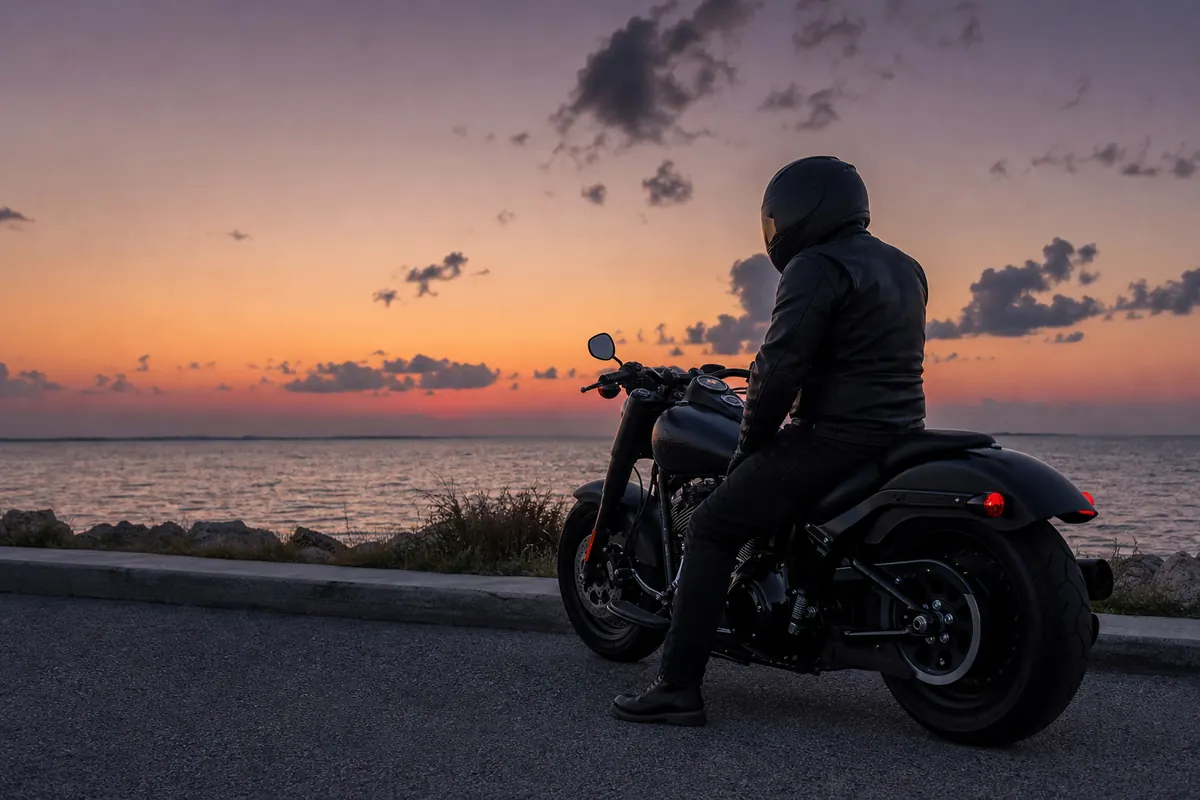
This page is for riders in St. Pete, FL who want to know what Florida requires before they sort through coverage choices. The short version is simple. Florida does not require motorcycle insurance to register a motorcycle. There is one rule riders ask about all the time. If you are age 21 or older and ride without a helmet, you must carry medical benefits of $10,000. Personal injury protection, or PIP, does not apply to motorcycles. That catches many riders off guard because Florida uses no-fault rules for cars, but motorcycles work differently.
Once you get past the registration rule, the real question is protection for the way you ride around St. Pete. Daily routes on I-275, 4th St N, 34th St, Central Ave and Gandy Blvd can be busy and uneven. Brick streets in older neighborhoods ride differently than fresh pavement. Downtown traffic near Beach Drive, the St. Pete Pier and Tropicana Field can bunch up fast during events. Add bridge travel, tourist traffic near the Gulf beaches and sudden rain, and many riders decide to look closely at liability, damage coverage and extras for gear or custom parts.
Motorcycle Insurance Across Pinellas County and Nearby
- St. Pete, FL
- Downtown St. Pete, FL
- Snell Isle, FL
- Old Northeast, FL
- Shore Acres, FL
- Historic Kenwood, FL
- Crescent Lake, FL
- Coquina Key, FL
- Lakewood Estates, FL
- Pinellas Point, FL
- Disston Heights, FL
- Jungle Terrace, FL
- Gulfport, FL
- St. Pete Beach, FL
- Treasure Island, FL
- Pass-a-Grille, FL
- Tierra Verde, FL
- South Pasadena, FL
- Pinellas Park, FL
- Kenneth City, FL
- Madeira Beach, FL
What a Policy Can Include
Most motorcycle policies are built from separate parts. Some are about injuries or damage you may cause. Others help with damage to your own bike or losses that happen while the bike is parked. The right mix depends on how often you ride, where you park, and whether you use the bike for short local trips, bridge commutes or longer rides across south Pinellas.
Florida Rules and Liability
Registration is the first checkpoint, but it is rarely the last question. Many riders still choose liability coverage because claims from a crash can be expensive. Bodily injury liability is not required for most Florida drivers or riders, though it may become required after certain crashes or violations through filings such as FR-44 or SR-22. Property damage liability may also be part of the conversation when you want protection for damage you may cause to someone else's vehicle or property.
Collision Coverage
Collision generally applies to crash damage to your own motorcycle, whatever the fault. For a rider who uses I-275, the Pinellas Bayway or the bridge approaches, that may matter more than the registration rule itself. It can also matter on lower speed streets where a simple turn or parking lot impact still leaves you with repair bills. If your bike has value you would struggle to replace out of pocket, this is usually one of the first options to review.
Comprehensive Coverage
Comprehensive generally covers non-crash losses. That may include storms, flooding, falling trees, theft and fire. In St. Pete, parked-bike risks are part of the picture because waterfront streets can flood and weather can shift quickly. If your motorcycle sits outside near the coast or under trees, this coverage often deserves a close look. It can also help when the loss has nothing to do with another vehicle and happens while the bike is stored.
Uninsured Motorist Coverage
Uninsured and underinsured motorist coverage is optional in Florida. Riders often ask about it because motorcycle injuries can be serious and the other driver may have limited coverage or none at all. This option may help in situations where another person causes the crash and their insurance is not enough. Whether it fits your situation usually depends on your riding habits, your other insurance and how much risk you want to keep for yourself.
Custom Parts and Accessories
Many bikes in St. Pete are not stock for long. Saddlebags, upgraded seats, bars, lights, pipes and similar add-ons may need specific attention. A basic policy may not automatically treat custom parts the way you expect. If you have made changes, list them clearly during a review. That is the best way to avoid finding out after a loss that the policy limit for accessories was lower than the value of what was attached to the bike.
Trip Interruption and Seasonal Storage
Some riders want options for travel away from home, while others care more about periods when the bike is stored. Trip interruption can be worth asking about if you take longer rides beyond St. Pete and need help after a covered loss while away. Seasonal lay-up can also come up, even in Florida, when a bike is used less during part of the year. The point is to match the policy to how the motorcycle is actually used and parked.
Scooters and Similar Bikes
Scooters can create confusion because people use the word loosely. The insurance setup may depend on how the vehicle is classified and titled. It is smart to review the exact vehicle information before assuming it follows the same rules as a motorcycle or a small scooter. If you are using a smaller bike for short trips along Central Ave, 22nd Ave N or neighborhood streets, the right starting point is the registration class and the way the vehicle is used.
Why Choose Us for Motorcycle Insurance?
Florida Rules First
We start with the part that matters most. You get a plain explanation of Florida motorcycle rules, including the helmet-law medical benefits rule and the fact that PIP does not apply to motorcycles. That gives you a clean starting point before you compare policy options.
Local Riding Context
St. Pete riding has its own mix of bridge traffic, downtown congestion, older brick streets and flood-prone waterfront parking. We keep those local conditions in view when we talk through coverage choices, storage, accessories and how you actually use your motorcycle around south Pinellas.
Clear Follow Up
We provide information and guidance, then a licensed agent follows up to discuss options in detail. That keeps the process straightforward. You can sort out what is required, what is optional and which parts of a policy may fit your bike and your riding habits.
How to Review Your Options
Start with Rules
First, confirm the Florida basics for your motorcycle. That includes registration rules, the helmet-law medical benefits requirement for certain riders and whether any filing requirement applies after a past crash or violation.
List Your Bike
Next, gather the vehicle details and note any custom parts or accessories. Include how the bike is used, where it is parked and whether it is ridden year-round, stored part of the time or used for longer trips.
Choose Core Coverage
Then sort the main pieces. Review liability, collision, comprehensive and uninsured motorist coverage based on the risks you want the policy to address. This is where your own tolerance for repair or injury costs matters.
Set Limits Carefully
After that, compare deductibles and limits. A lower deductible may change the premium. Higher or lower limits may also change it. The goal is a policy that matches the bike and your situation, not a guessed-at template.
Review with an Agent
Last, have a licensed agent review the details with you. We provide the information up front, then the follow-up can focus on the actual bike, the actual rider and the policy choices that may fit best.
Check Florida Rules
For official Florida requirements, check the Florida Department of Highway Safety and Motor Vehicles. That is the source to verify registration rules and related state requirements. If you want consumer help about insurance questions, complaints or policy issues, the Florida Department of Financial Services consumer helpline is also a useful source. We can explain the common terms and where they usually fit, but state agencies are the place to confirm current Florida rules.
What a Policy Cost Depends On
Price depends on the bike, the rider and the coverage choices. A rider with a newer motorcycle and broader protection will usually see a different premium than someone with an older bike and a leaner setup. The same is true if you want liability only, or if you also want collision, comprehensive, uninsured motorist coverage or options for accessories and travel. There is no single standard quote that tells you much without the details.
Several factors can move a premium up or down. Insurers often look at your driving record, the motorcycle itself, where it is parked, the deductibles you choose and the limits you want. Mileage can matter. Household drivers may matter too, depending on the policy and carrier rules. A bike stored in a garage may be viewed differently from one parked outside near waterfront streets. The clean way to compare options is to review the same bike and rider information across each quote.
Motorcycle Insurance Questions We Hear
Do I need motorcycle insurance to register a bike in Florida?
Florida does not require insurance to register a motorcycle. That is different from the rule for standard private passenger vehicles. Riders still often buy coverage because registration is only one issue. Damage to your own bike, injuries, theft and storm losses are separate questions, and a policy may help with some of those losses depending on the coverages selected.
Can I ride without a helmet in Florida?
Possibly, but there is an insurance condition tied to it. If you are age 21 or older and choose to ride without a helmet, Florida requires you to carry $10,000 in medical benefits. Riders under 21 generally must wear a helmet. Because the rule is specific, it is smart to confirm the current wording through FLHSMV if you are relying on it.
Does PIP cover motorcycle injuries in Florida?
No. PIP does not apply to motorcycles in Florida. That surprises many people because Florida uses no-fault rules for cars. For riders, that means you should not assume the same injury setup carries over from auto insurance. If you want help reviewing what may apply after a motorcycle crash, it helps to go over the policy line by line.
What does full coverage mean for a motorcycle?
Full coverage is a casual term, not a policy name. People usually mean a package that includes liability, collision and comprehensive. It does not tell you the limits, deductibles or added options, and it does not guarantee every kind of loss will be covered. For a motorcycle, it is better to ask exactly which parts are included and whether accessories or gear have their own limits.
Does where I ride in St. Pete affect my motorcycle insurance choices?
It often does. A rider who stays mostly on neighborhood streets may think about risk differently than someone crossing the Gandy, Howard Frankland or Sunshine Skyway bridges often, or riding through downtown event traffic near Beach Drive and the St. Pete Pier. Parking also matters. A bike kept outside on a flood-prone waterfront street may lead you to pay closer attention to comprehensive coverage.
Contact Us Today for a Free Estimate
Ready to review motorcycle insurance for your St. Pete vehicle or property? Tell us what you have and we will follow up.
Free, no obligation